
5 Anti-Inflammatory Foods You Should Eat Daily for Long-Term Health

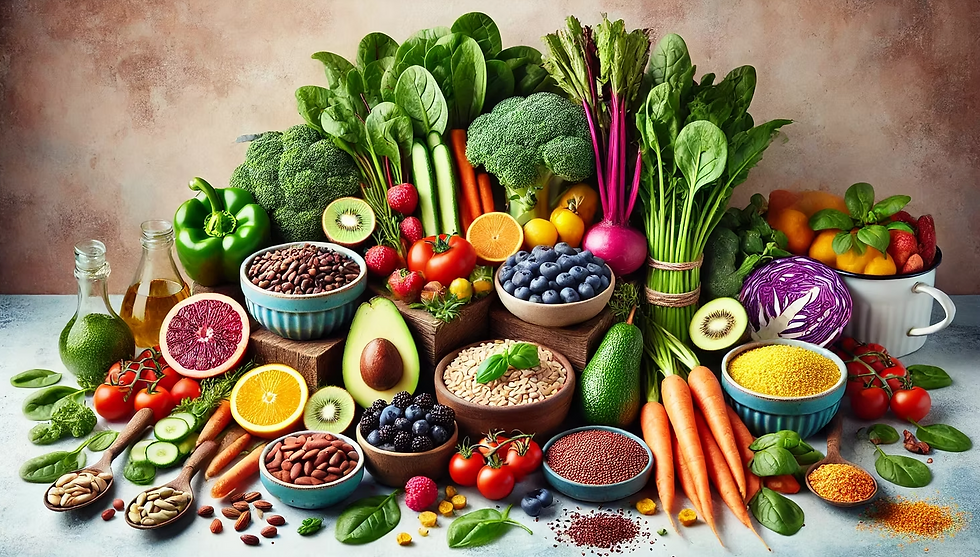
Inflammation is the body’s natural response to injury or illness, but when it becomes chronic, it can lead to a variety of health issues such as heart disease, diabetes, arthritis, and even some cancers. Thankfully, one of the best ways to reduce inflammation is through your diet. By incorporating certain anti-inflammatory foods into your daily routine, you can promote long-term health, boost your immune system, and reduce the risk of chronic diseases.
Here are 5 anti-inflammatory foods you should eat daily to support overall well-being and longevity.

1. Leafy Green Vegetables
Leafy greens like spinach, kale, Swiss chard, and collard greens are packed with essential nutrients and powerful antioxidants, making them some of the best anti-inflammatory foods. These vegetables are rich in vitamins A, C, and K, as well as polyphenols—antioxidants that help reduce oxidative stress and inflammation in the body.
Benefits:
High in antioxidants: Antioxidants neutralize free radicals that cause inflammation and damage cells.
Rich in fiber: Fiber supports gut health, which plays a critical role in regulating inflammation throughout the body.
Nutrient-dense: Leafy greens are low in calories but packed with vitamins and minerals that help reduce inflammation and support overall health.
How to Add Them to Your Diet:
Toss spinach or kale into smoothies, salads, or soups.
Sauté leafy greens in olive oil with garlic for a quick, anti-inflammatory side dish.
Add a handful of fresh greens to sandwiches or wraps.
2. Berries
Berries such as blueberries, strawberries, raspberries, and blackberries are packed with antioxidants, particularly a type known as anthocyanins, which have potent anti-inflammatory effects. These antioxidants help reduce inflammation, fight oxidative stress, and even protect against heart disease and cognitive decline. Even though they are expansive in Australia, they are a must for your health.
Benefits:
Rich in antioxidants: Anthocyanins found in berries are known to lower levels of inflammatory markers in the body.
High in fiber: Fiber promotes gut health and helps regulate blood sugar, both of which are important for reducing chronic inflammation.
Low glycemic index: Berries are low in sugar compared to many other fruits, making them a smart choice for people managing inflammation related to conditions like diabetes.
How to Add Them to Your Diet:
Add a handful of fresh or frozen berries to your morning oatmeal or yogurt.
Blend them into smoothies for a quick and delicious anti-inflammatory boost.
Enjoy them as a healthy snack or toss them into salads for a burst of flavor and nutrients.
3. Fatty Fish
Fatty fish such as salmon, mackerel, sardines, and tuna are rich in omega-3 fatty acids, which are well-known for their anti-inflammatory properties. Omega-3s, particularly EPA and DHA, help reduce inflammation by lowering the levels of inflammatory chemicals in the body and improving heart health.
Benefits:
Rich in omega-3s: Omega-3 fatty acids help regulate inflammation and have been shown to reduce the risk of chronic inflammatory diseases such as heart disease, arthritis, and asthma.
Heart-healthy: Fatty fish can help lower blood pressure, reduce cholesterol, and improve overall cardiovascular health.
Anti-inflammatory proteins: The protein in fish is easier to digest compared to red meat, which can be pro-inflammatory.
How to Add Them to Your Diet:
Aim to eat fatty fish at least two to three times a week, either grilled, baked, or broiled.
Add canned sardines or tuna to salads or whole-grain crackers for a quick, nutritious snack.
Consider adding a fish oil supplement if you can’t regularly incorporate fatty fish into your diet.
4. Turmeric
Turmeric is a bright yellow spice that has been used for centuries in traditional medicine due to its powerful anti-inflammatory properties. The active compound in turmeric, curcumin, has been extensively studied for its ability to combat inflammation, particularly in conditions such as arthritis, metabolic syndrome, and heart disease.
Benefits:
Reduces inflammatory pathways: Curcumin directly blocks certain inflammatory pathways, helping to lower inflammation at the molecular level.
Supports joint health: Turmeric is often used to relieve symptoms of arthritis and other inflammatory joint conditions.
Powerful antioxidant: Curcumin also acts as an antioxidant, neutralizing free radicals and reducing oxidative stress.
How to Add It to Your Diet:
Add turmeric to soups, stews, and curry dishes for a warm, earthy flavor. I personally mix it in my protein shakes after working out.
Make a turmeric latte or golden milk by mixing turmeric with warm almond milk, honey, and a pinch of black pepper (which helps boost curcumin absorption).
Sprinkle turmeric into scrambled eggs or roasted vegetables for an anti-inflammatory boost.
5. Nuts and Seeds
Nuts and seeds, particularly almonds, walnuts, chia seeds, and flaxseeds, are packed with healthy fats, fiber, and antioxidants that help combat inflammation. Walnuts and flaxseeds, in particular, are high in alpha-linolenic acid (ALA), a type of omega-3 fatty acid that has been shown to reduce inflammation.
Benefits:
Rich in omega-3s and fiber: Omega-3 fatty acids and fiber both play a role in reducing inflammation and supporting heart health.
Loaded with antioxidants: Vitamin E and other antioxidants found in nuts and seeds help neutralize free radicals that contribute to chronic inflammation.
Regulates blood sugar: The combination of healthy fats, protein, and fiber helps balance blood sugar levels, reducing the risk of inflammation caused by blood sugar spikes.
How to Add Them to Your Diet:
Snack on a handful of mixed nuts or seeds during the day for a nutrient-dense, anti-inflammatory snack.
Sprinkle chia seeds or ground flaxseeds into your smoothies, oatmeal, or yogurt.
Add almonds or walnuts to salads, stir-fries, or baked goods for a crunchy, healthy boost.
Eat Your Way to Better Health…
Incorporating these 5 anti-inflammatory foods into your daily diet is an excellent way to reduce chronic inflammation and promote long-term health. Not only do these foods offer anti-inflammatory benefits, but they also support overall well-being by providing essential vitamins, minerals, and healthy fats.
By making these foods a regular part of your meals, you can help protect your body from inflammation-related conditions and enjoy a healthier, more vibrant life. Whether you're adding leafy greens to your salad, snacking on berries, or sprinkling turmeric into your soup, small dietary changes can have a big impact on your health in the long run.


Comments